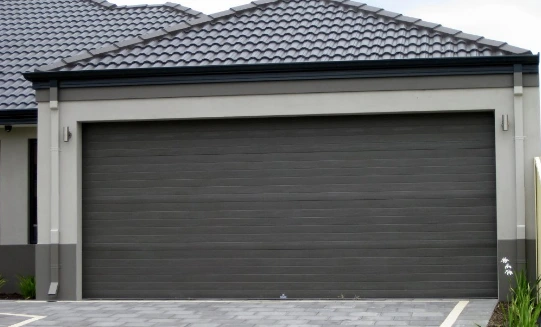
Match the opener to the door.
Door type, size, construction and installation space influence the choice of opener. The existing door also needs to be in suitable working condition. A stronger motor is not a reliable answer to a door that is binding or out of balance. Explain how the door behaves now, and whether you are replacing a failed unit or looking for a different experience of daily access.
Repair the motor, or replace it?
Intermittent operation can involve the opener, controls or the door itself. The age of the unit is useful context, but it is not a diagnosis. Model details and the symptoms help determine what can be assessed. Compare any repair proposal with replacement features, available parts and the suitability of the current unit for your door. Keep the selection tied to the problem you want to solve.
Set up for confident use.
Once an opener is installed, understand the controls and the operating instructions that apply to it. Ask about any compatible safety accessories and how to arrange ongoing care. Keep model details and manuals somewhere accessible. If you are interested in phone control, discuss the complete supported setup at the same time, including connectivity and the safety equipment required by the manufacturer.